How the 261kWh Liquid-Cooled BESS is Solving Industrial Energy Cost Crises
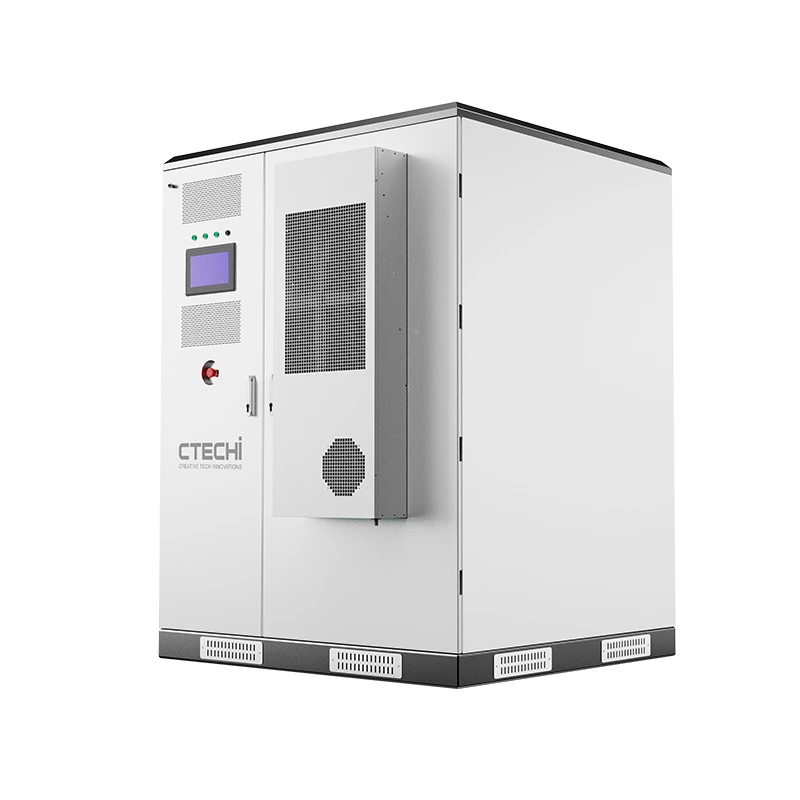
For modern industrial facilities and large-scale commercial hubs, the challenge of the current energy landscape is two-fold: skyrocketing peak demand charges and the vulnerability of an aging power grid. To address these systemic issues, a new generation of high-capacity storage has arrived. The 261.2kWh Liquid-Cooled BESS is designed specifically to act as a strategic energy buffer, allowing businesses to decouple their productivity from the whims of the utility market.
Crushing the Peak Demand Charge Most industrial businesses are penalized heavily for "peak demand"—brief periods of high consumption that set the tariff for the entire month. With a rated power of 125kW, this system allows for aggressive peak shaving. By discharging stored energy during high-tariff periods and recharging when rates are low, the system effectively "flattens" a facility's load profile.
Maximizing ROI with Longevity The primary concern for any capital expenditure is the lifecycle of the asset. This BESS boasts a maximum cycle life of ≥8,000 cycles (at 70% EOL), representing over 20 years of daily operation under standard conditions. When combined with a 95% Depth of Discharge (DOD)—allowing for nearly the entire energy capacity to be utilized—the system offers a significantly faster payback period than traditional air-cooled alternatives.
Usage Scenario: The Smart Factory In a typical application, the BESS is integrated with on-site solar and the main utility feed. Using the Modbus/IEC104/MQTT protocols, it communicates with the factory's Energy Management System (EMS). During the day, it captures excess solar power; during the evening or peak production shifts, it releases that power, ensuring the factory remains within its lowest possible energy tariff bracket. Furthermore, its on-grid/off-grid switching capability ensures that even during a total grid blackout, critical machinery continues to run, preventing costly downtime and equipment damage.