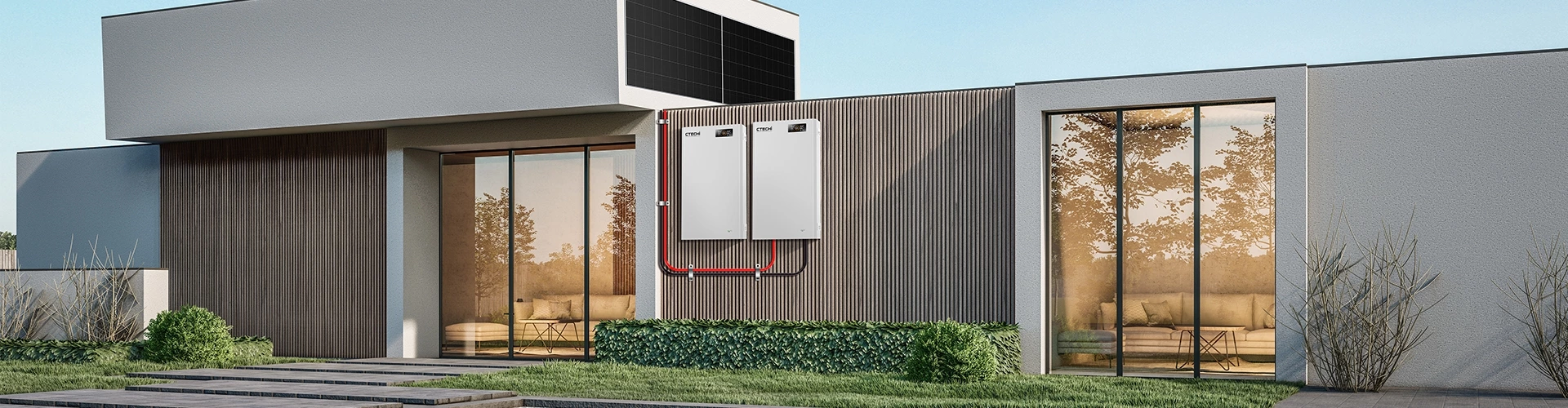
Home Energy Storage Battery Solutions
CTECHI offers 2.5–32kWh LiFePO4 home batteries for solar storage and backup power.
CTECHI offers 2.5–32kWh LiFePO4 home batteries for solar storage and backup power.
A home battery storage system allows your home to store excess solar energy during the day and use it later when solar production is low or electricity prices are higher. CTECHI home ESS solutions are designed to increase solar self-consumption, reduce dependence on grid electricity and provide backup power for essential household loads.
Battery capacity and system configuration should be selected according to your daily energy consumption, solar generation, peak loads, backup requirements and local electricity tariff.
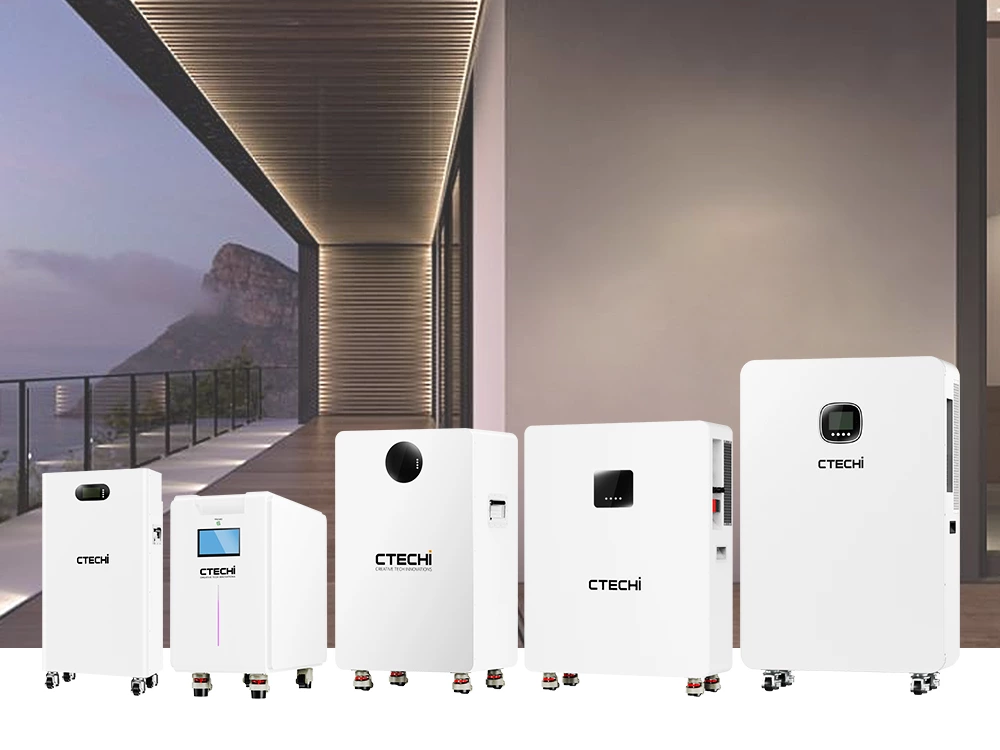
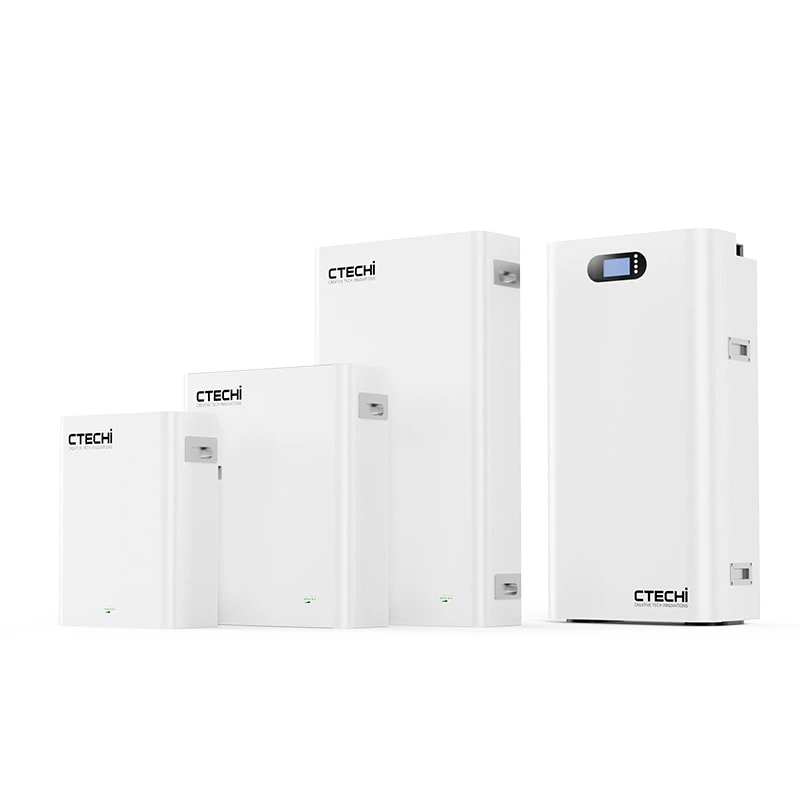
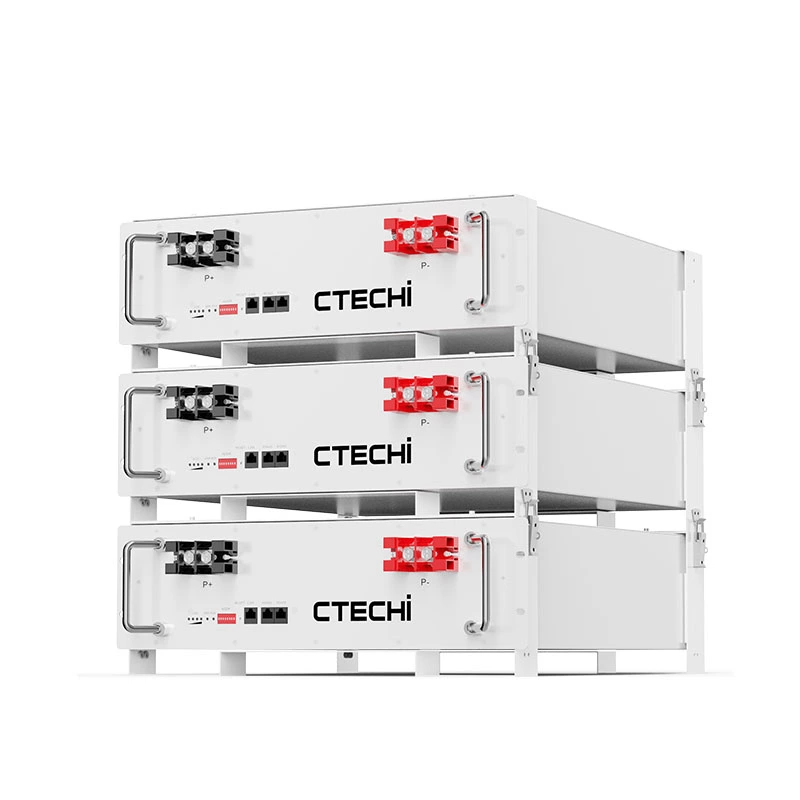
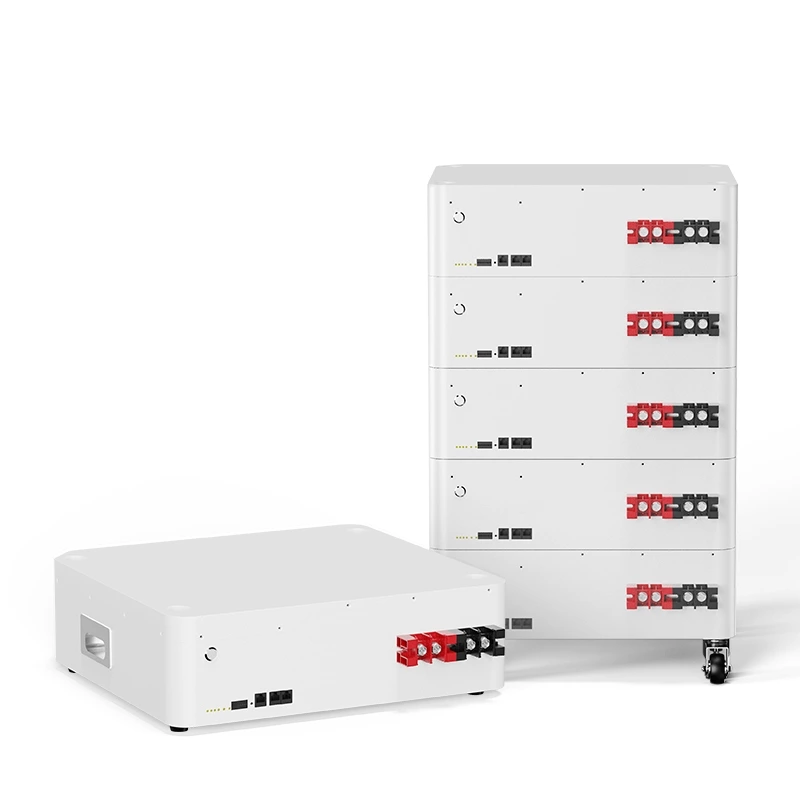
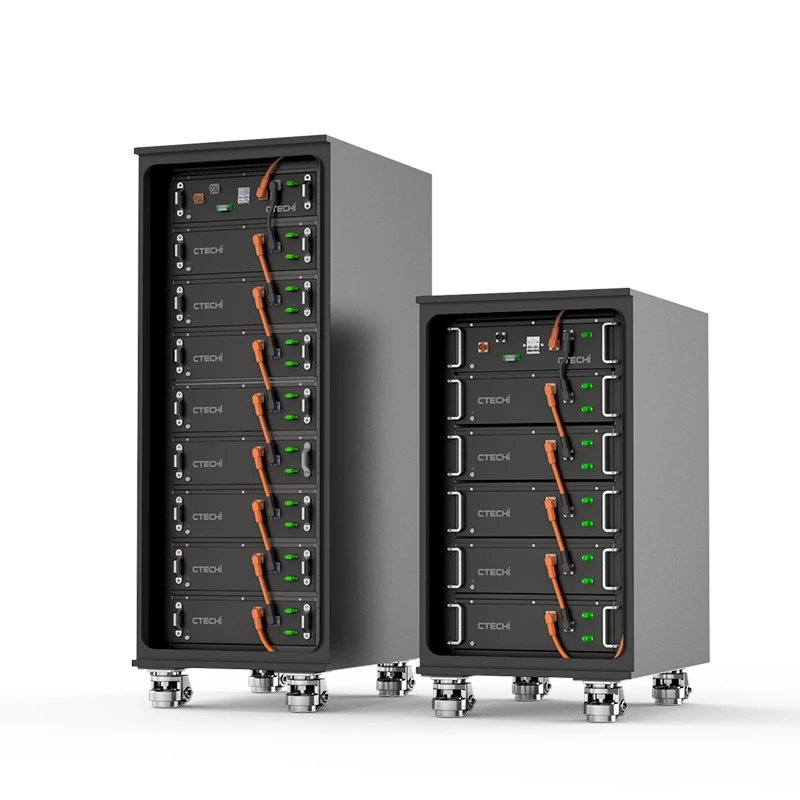
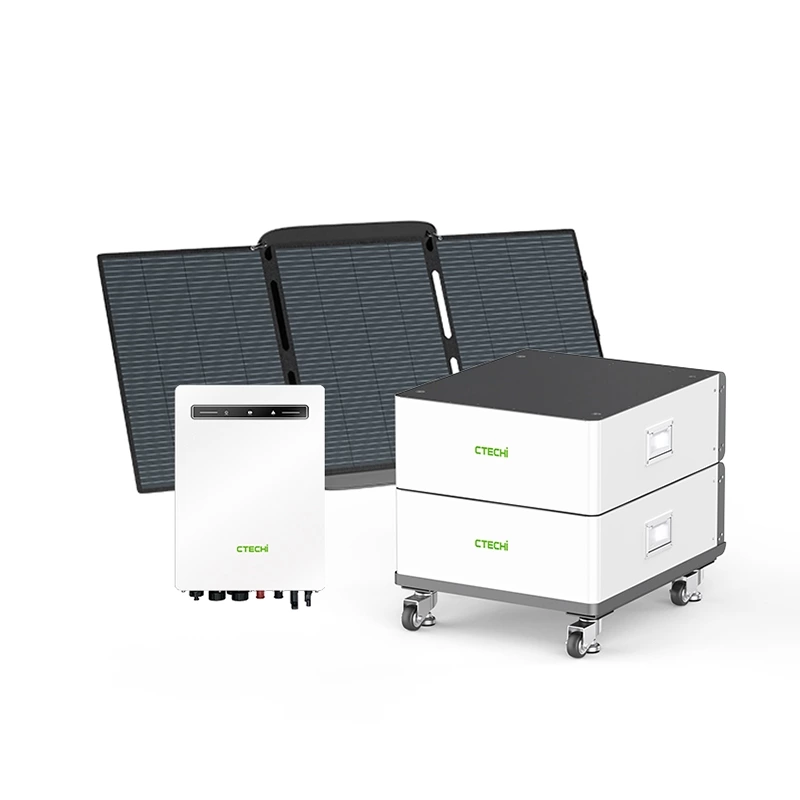
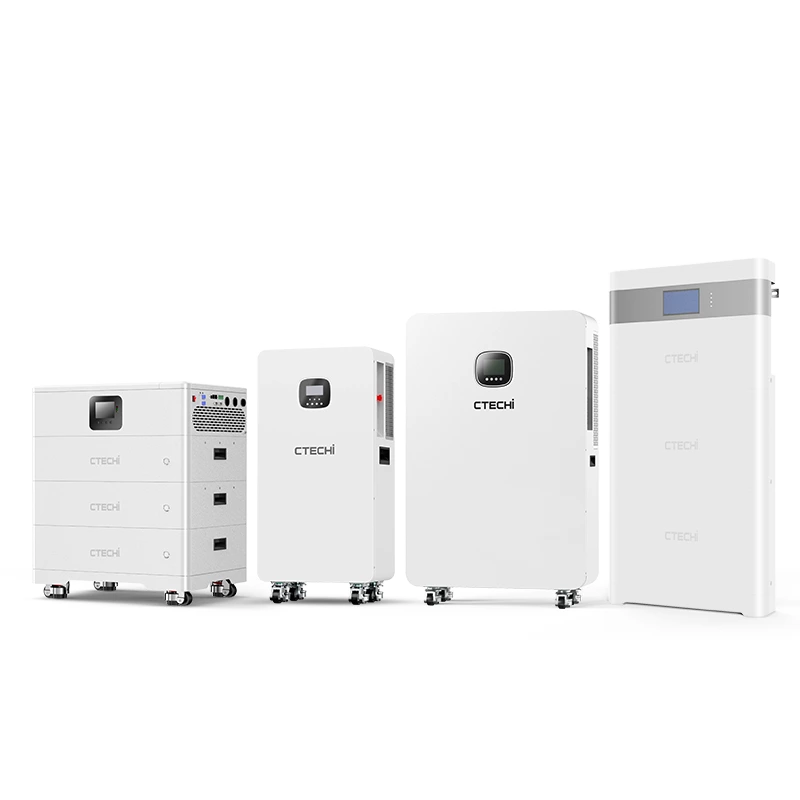
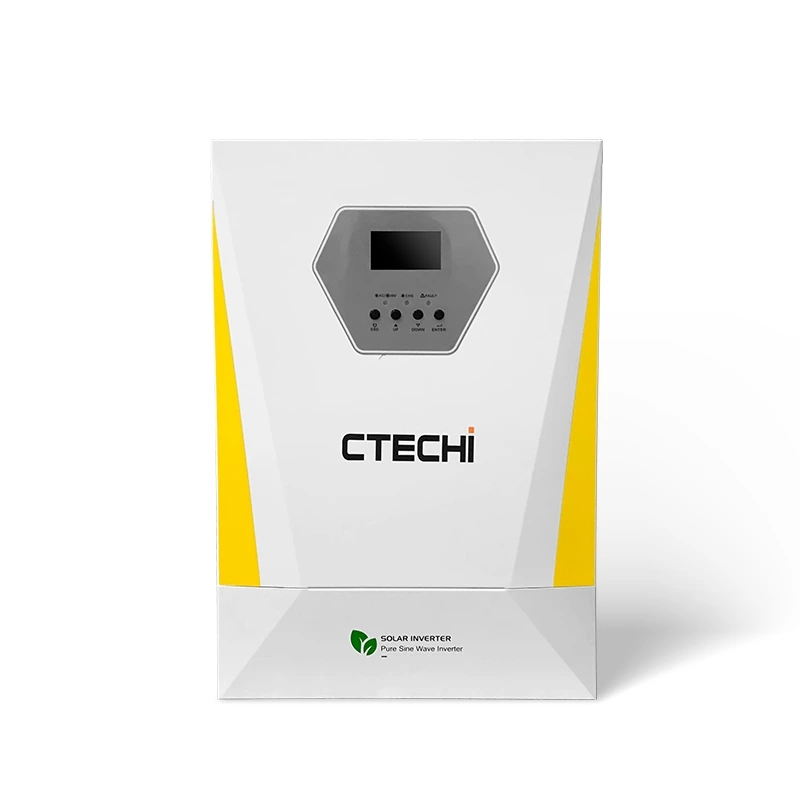
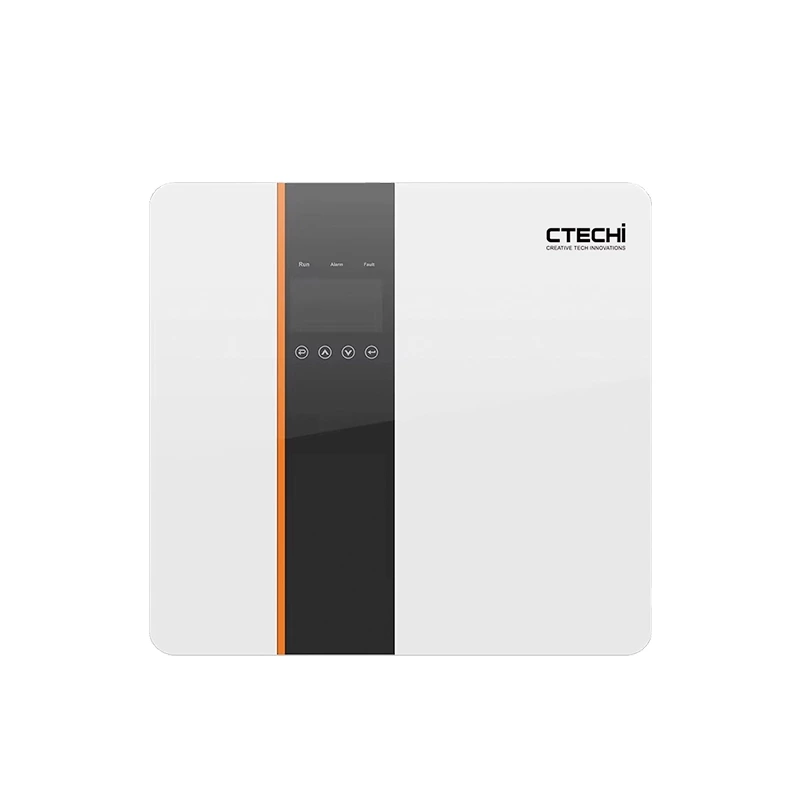
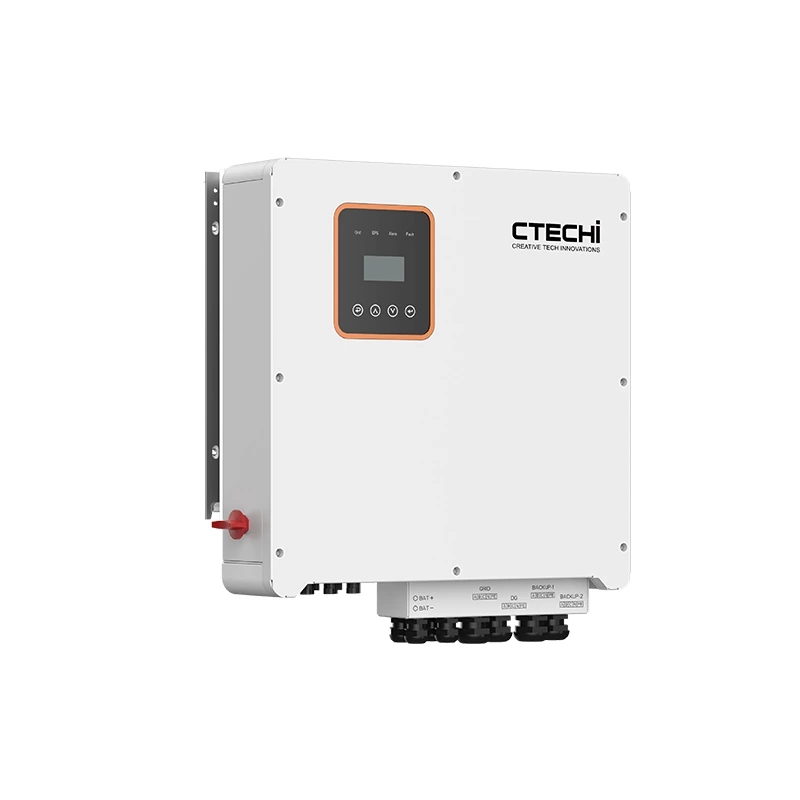
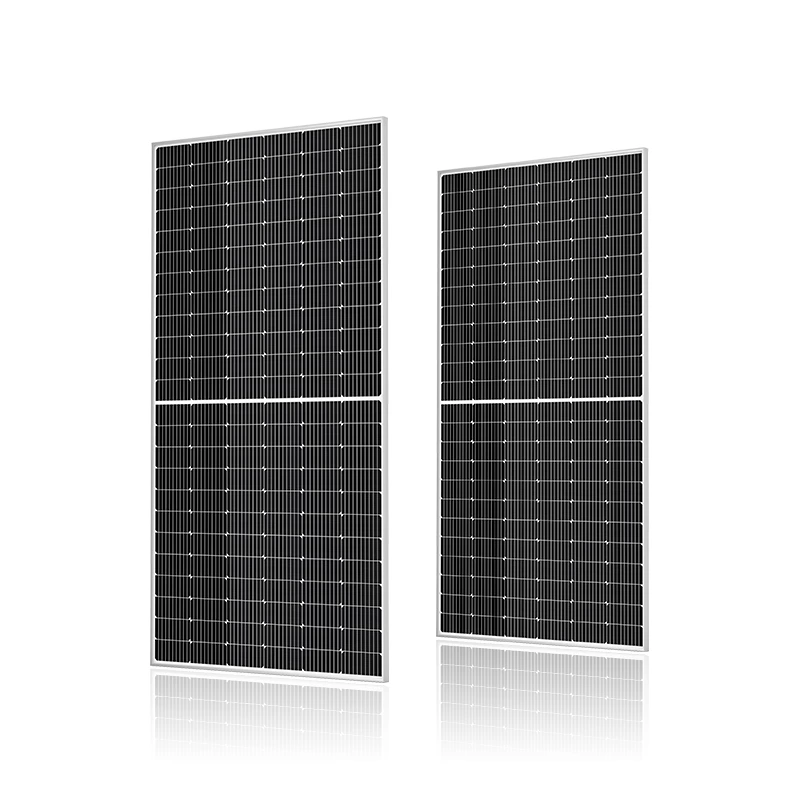
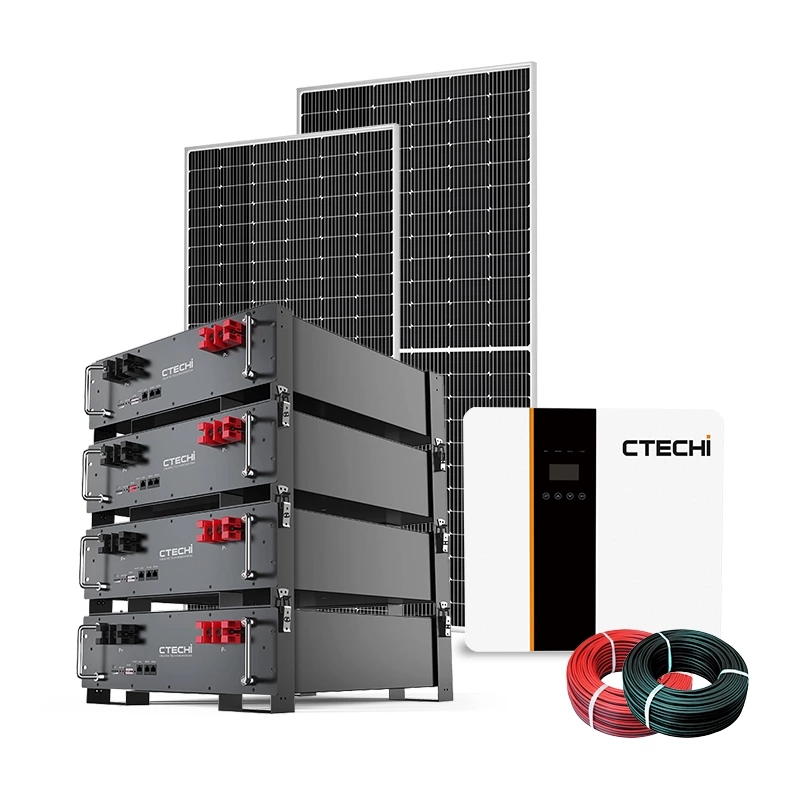
CTECHI home energy storage systems use LiFePO4 battery technology for applications requiring safety, cycle performance and reliable daily energy storage.
Lithium iron phosphate chemistry is widely used in stationary energy storage because of its strong thermal stability, long cycle performance and suitability for repeated charge and discharge operation.
CTECHI provides different voltage, capacity and mechanical configurations to support home solar and backup applications.
Home battery storage should match the home’s energy consumption rather than simply selecting the largest available battery.
CTECHI supports configurations from approximately 2.5kWh to 32kWh and above, depending on the selected battery architecture. Multiple battery units can be configured where the system design and inverter support expansion.
Integrated BMS functions monitor key battery parameters and provide protection against conditions such as overcharge, over-discharge, over-current, short circuit and abnormal temperature.
Communication and protection parameters can be configured according to the selected system architecture and compatible inverter requirements.
Solar panels generate electricity during daylight hours. The home uses available solar power first, while surplus generation can be directed to the battery.
When solar production decreases, stored battery energy can supply compatible household loads. Depending on the system design, the battery can also charge from the grid during lower-cost periods and discharge during higher-cost periods.
During a grid outage, a properly designed backup system can automatically supply selected essential loads or the entire home, depending on battery capacity, inverter output, electrical configuration and local installation requirements.
Typical Energy Flow:
Solar Panels → Hybrid Inverter → Home Loads
Solar Panels → Battery Storage → Home Loads
Grid → Hybrid Inverter → Battery → Home Loads

Store surplus solar generation instead of using all of it immediately or exporting it to the grid. Use stored energy later when your solar system is producing less power.

Use stored energy during evening hours, high-price periods or other times when grid electricity is less attractive.
Actual savings depend on local electricity rates, solar production, household consumption and utility policies.

A correctly configured battery and inverter system can provide backup electricity when the grid fails. Backup duration depends on battery capacity, inverter output and the loads connected to the backup circuit.

Modular battery configurations make it possible to select an initial storage capacity and expand the system later when supported by the battery and inverter architecture.
CTECHI residential batteries can be configured for compatible hybrid, off-grid and energy storage architectures. Inverter compatibility should be verified before ordering based on voltage range, communication protocol and BMS requirements.
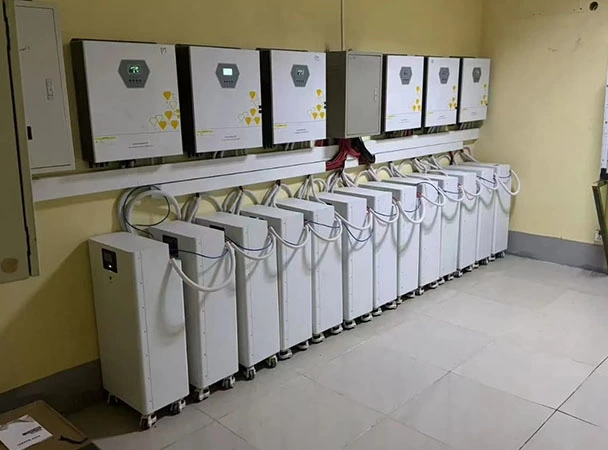
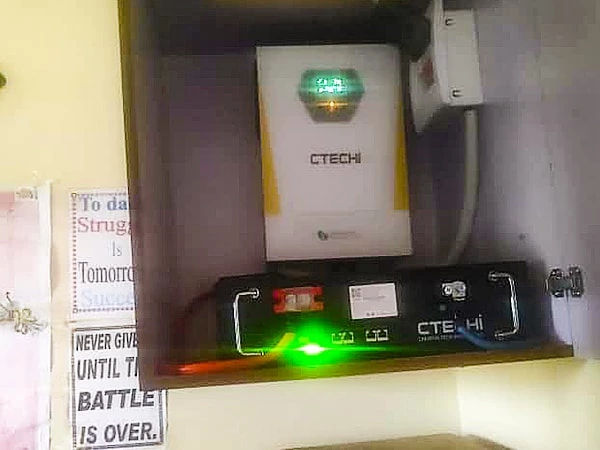
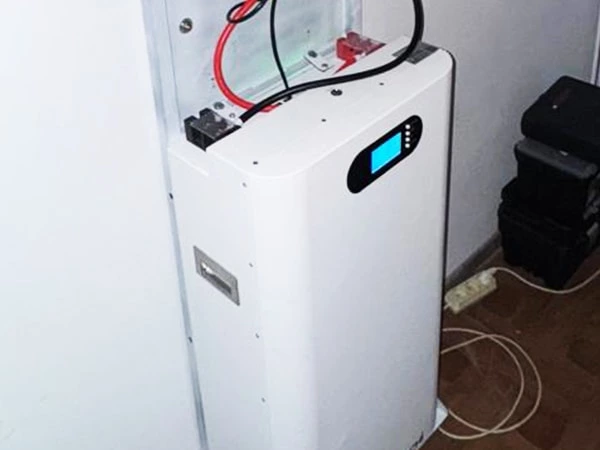
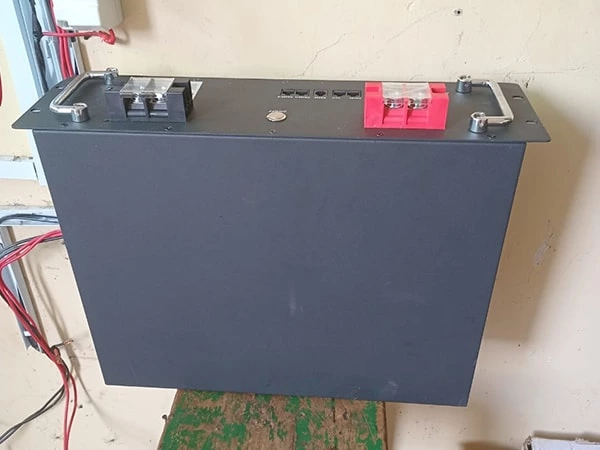
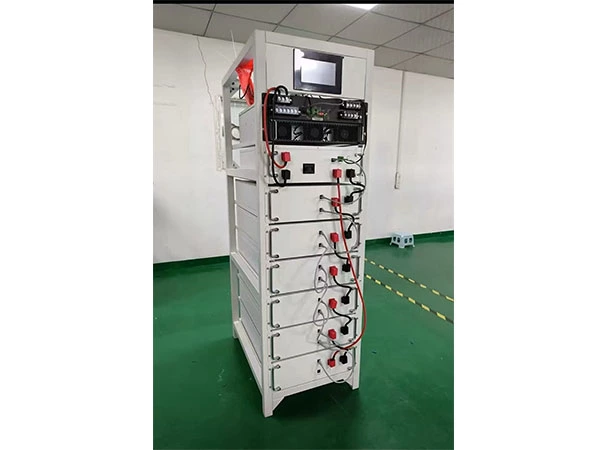
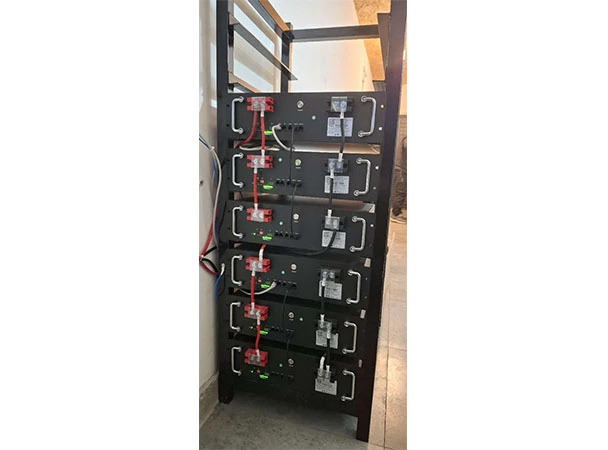
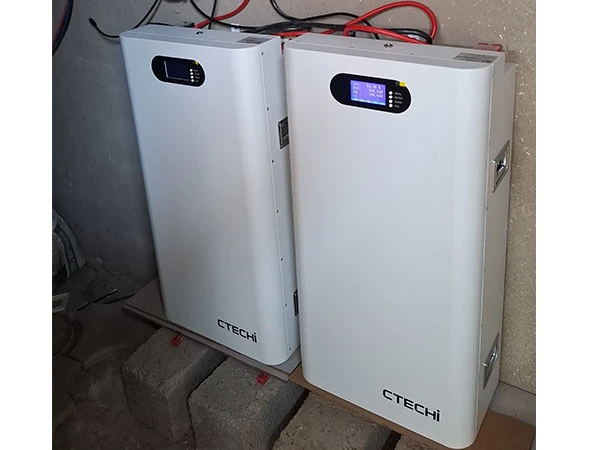
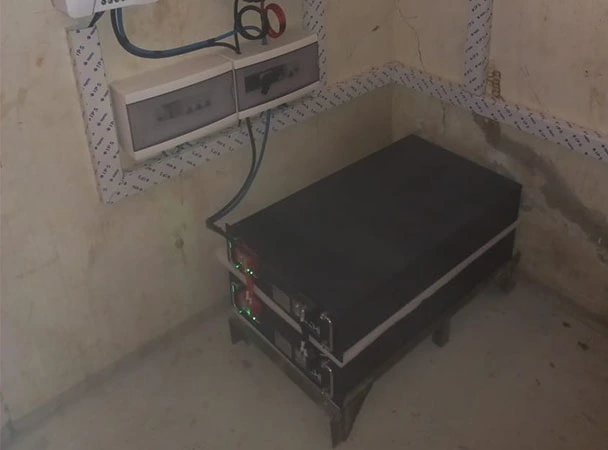
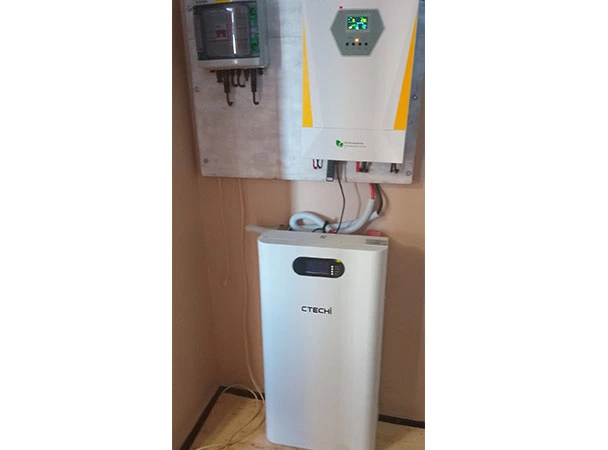
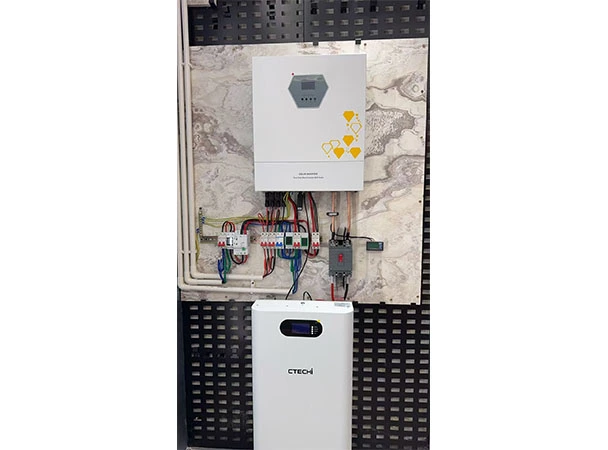
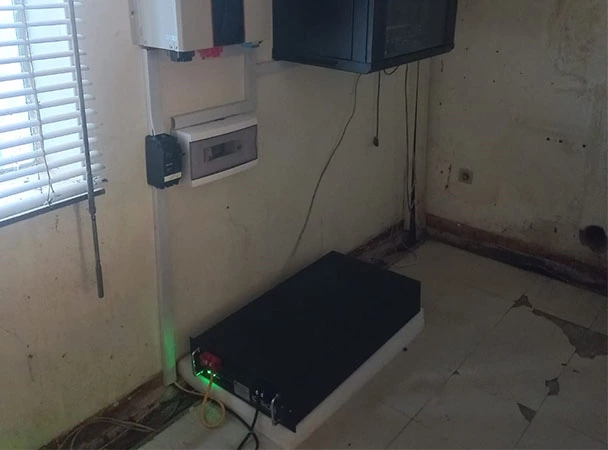
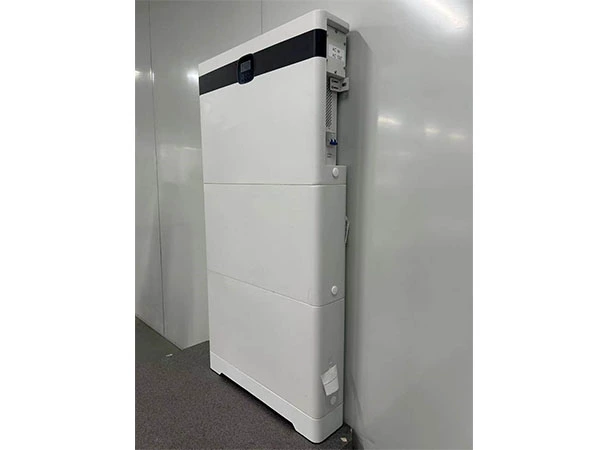
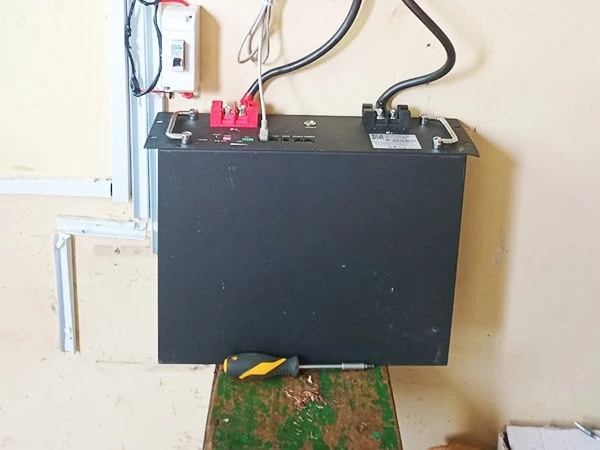
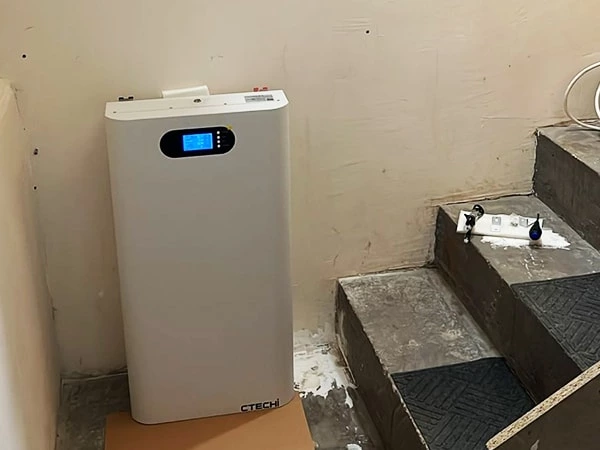
Home Energy Storage Batteries: Reliable and efficient LiFePO4 solutions designed to store solar energy and power homes with sustainability and convenience.
Scalable energy storage solutions for businesses, enhancing efficiency and reducing operational costs.
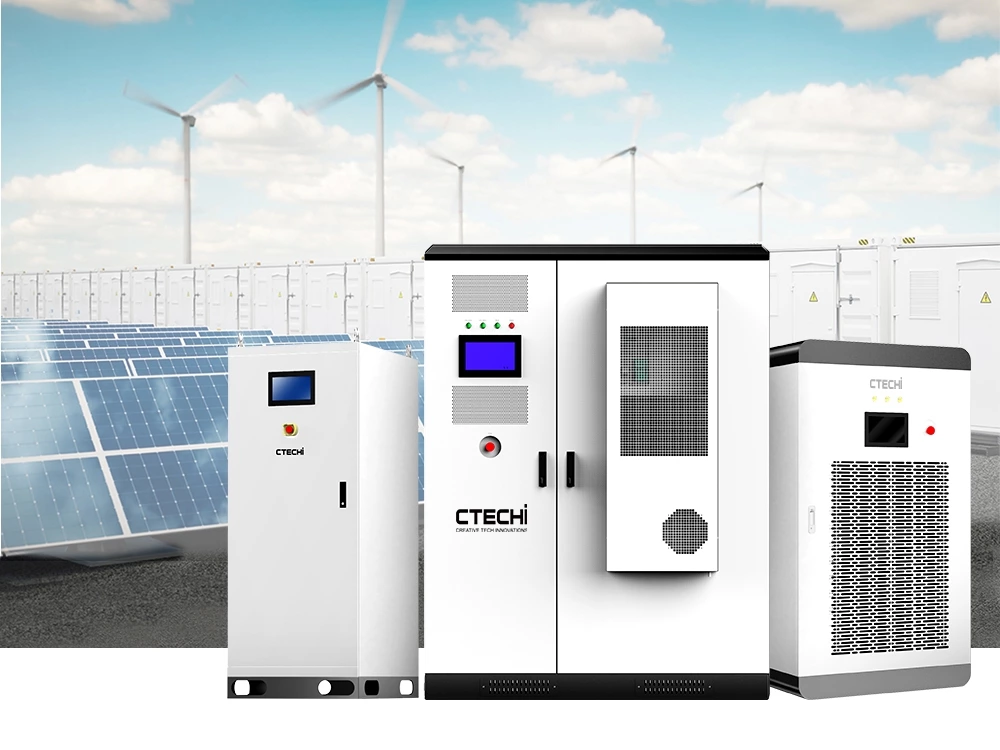
Safe, long-lasting, and high-performance LiFePO4 battery packs for various applications.
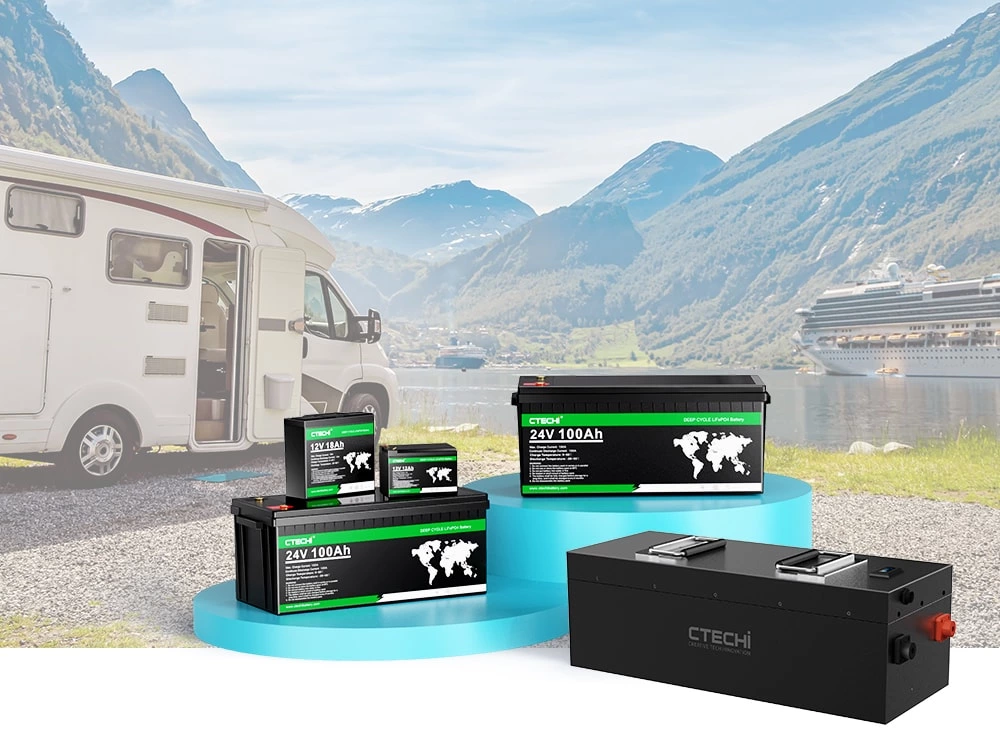
Compact, reliable power stations for off-grid energy needs and outdoor activities.
We use cookies to collect information about how you use this site. We use this information to make the website work as well as possible and improve our services.more details