How Industrial Energy Storage Systems are Reshaping Corporate CAPEX and OPEX Strategies
For modern manufacturing plants, logistics hubs, and commercial complexes, the traditional grid-reliant energy model is facing severe structural strains. Rising utility tariffs, coupled with aggressive corporate sustainability mandates, have forced facility directors to look closely at their operational expenses. Among all overhead lines, electricity—specifically peak demand charges—remains one of the most unpredictable variables. In response, forward-thinking enterprises are turning toward advanced industrial and commercial (C&I) energy storage systems to take granular control of their power consumption.
Transforming Peak Shaving into a Profit Center
The core financial driver behind C&I battery storage is the elimination of punishing demand charges. Utilities frequently levy massive fees based on a facility's highest 15-minute power draw during peak operational hours. By integrating a customized BESS setup, facilities can automate peak shaving protocols. When energy demand surges, the storage system discharges stored power to flatten the consumption curve, shielding the business from entering expensive tariff brackets.
Furthermore, time-of-use (TOU) energy arbitrage allows businesses to store electricity when grid rates are at their lowest—typically overnight—and utilize that stored energy when commercial rates peak during the day. Coupled with on-site solar arrays, which can see self-consumption rates jump from 30% to over 80% with proper storage integration, the transition from passive consumer to active energy manager yields a compelling, predictable ROI.
Scalability Tailored to Unique Business Profiles
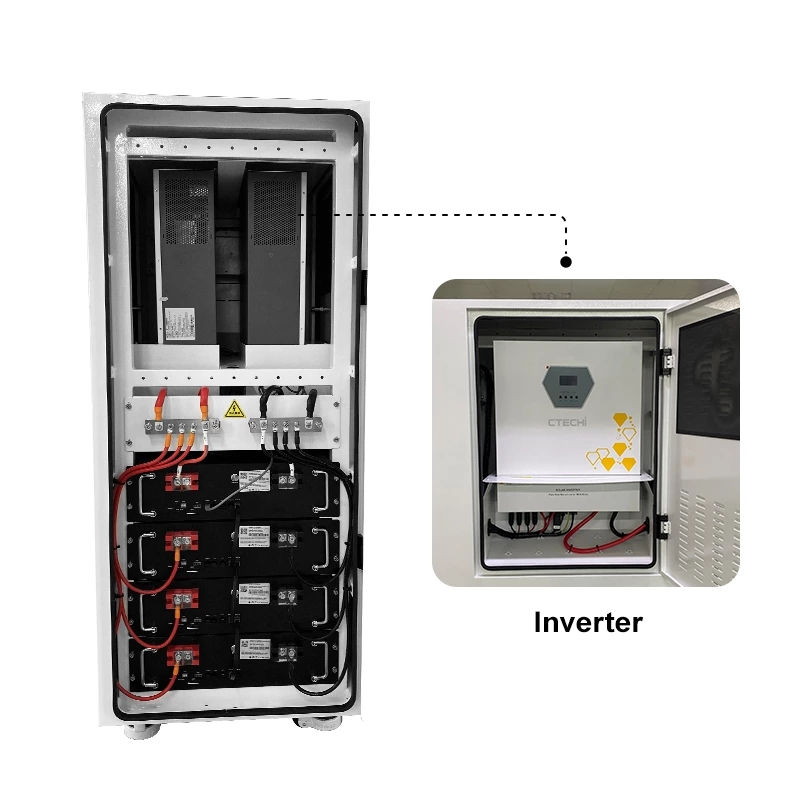
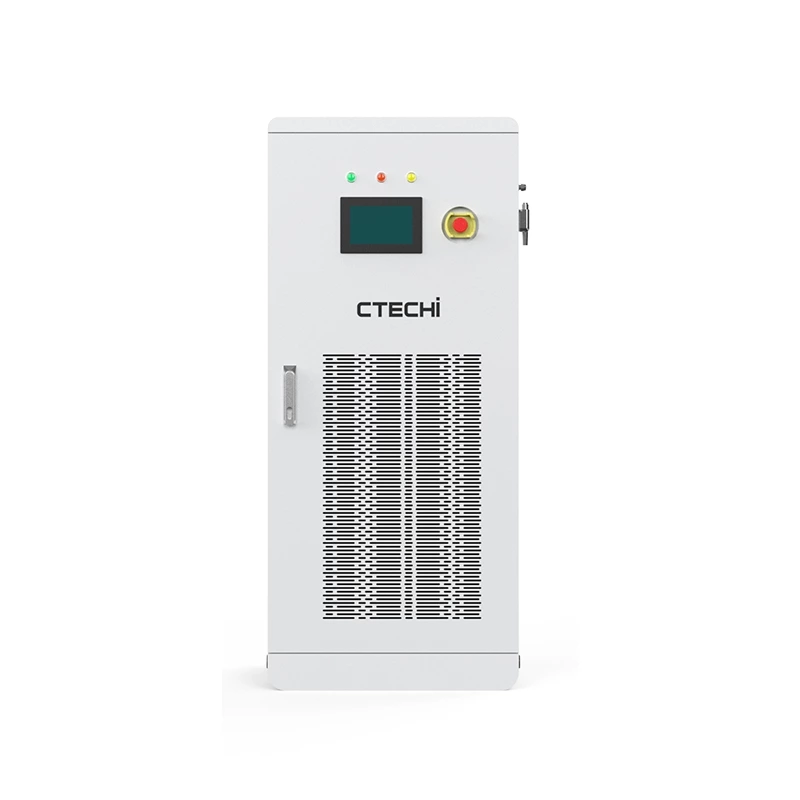
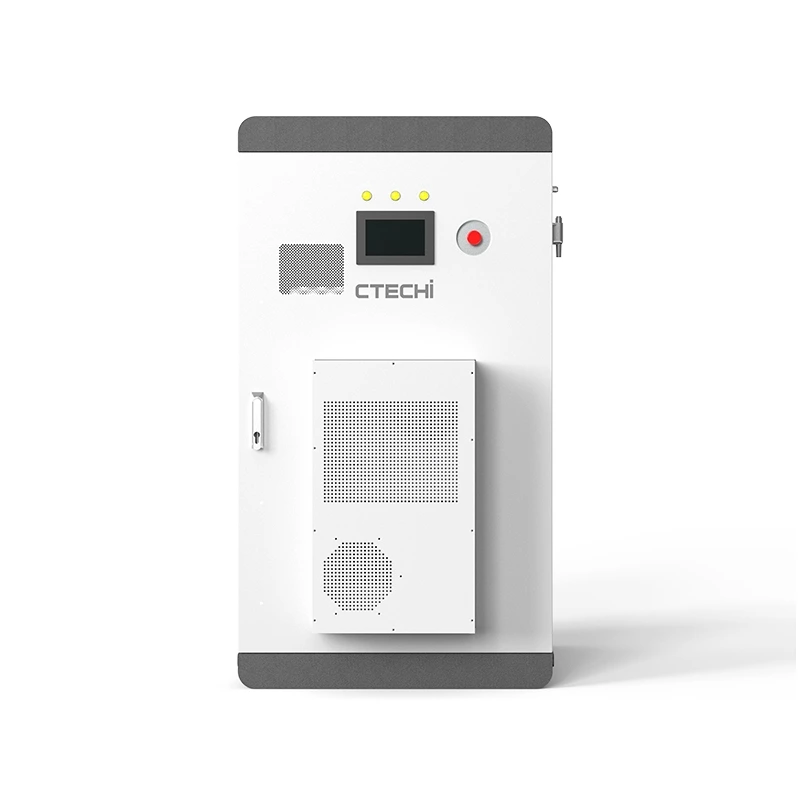
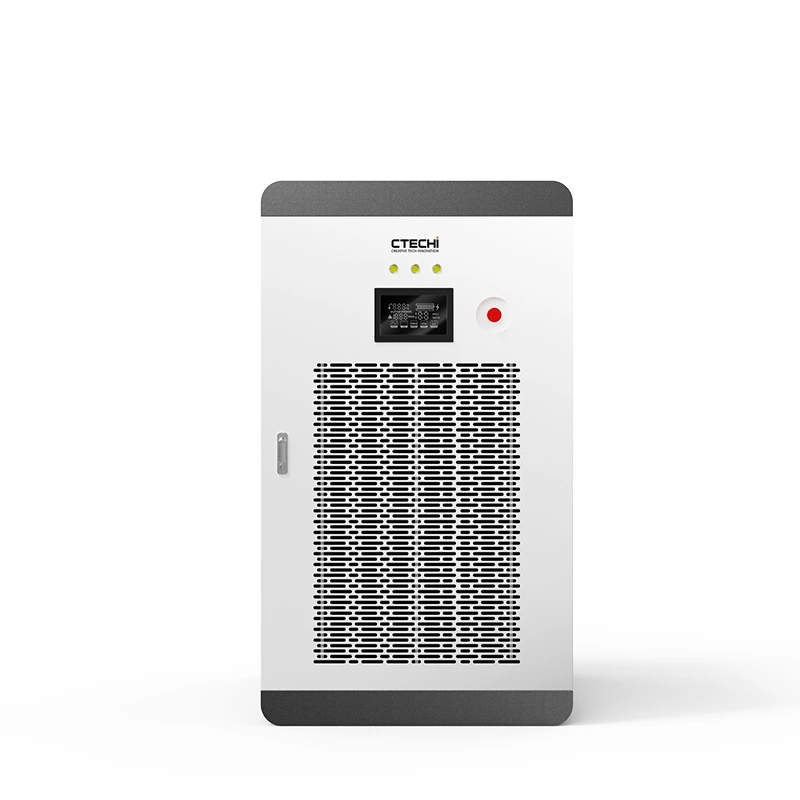
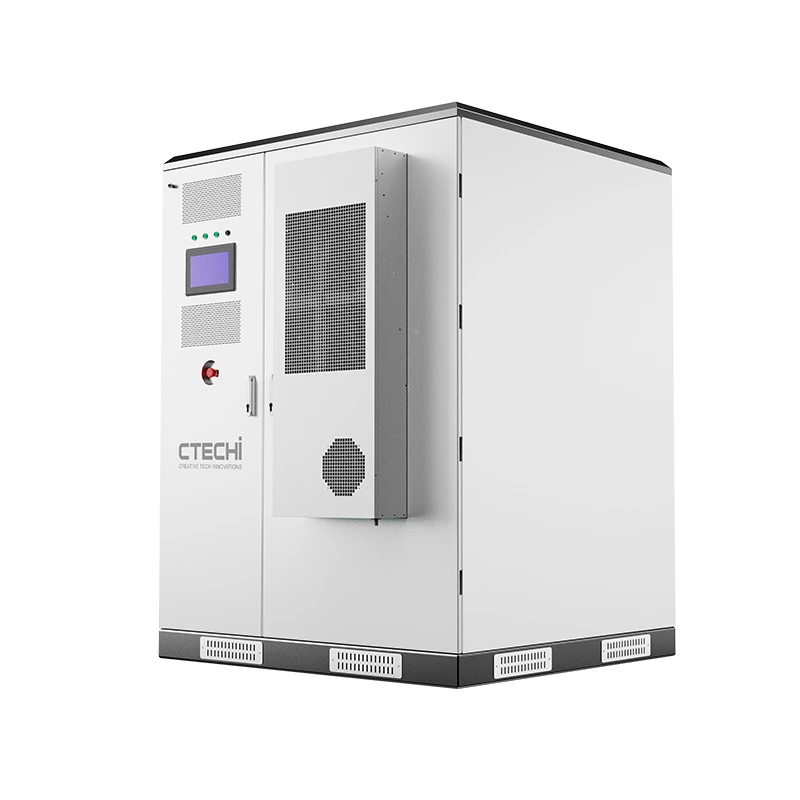
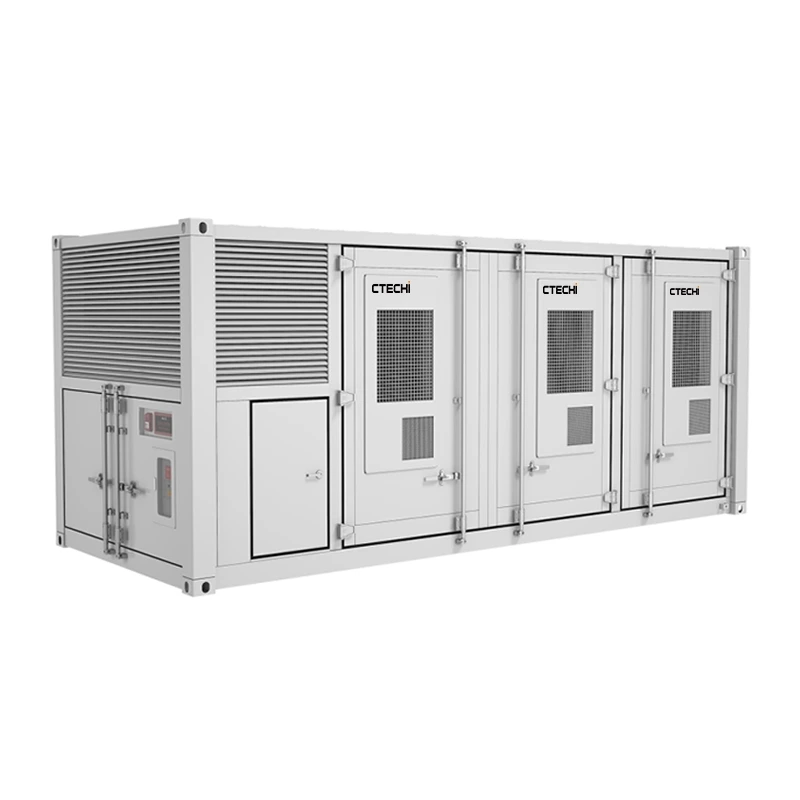
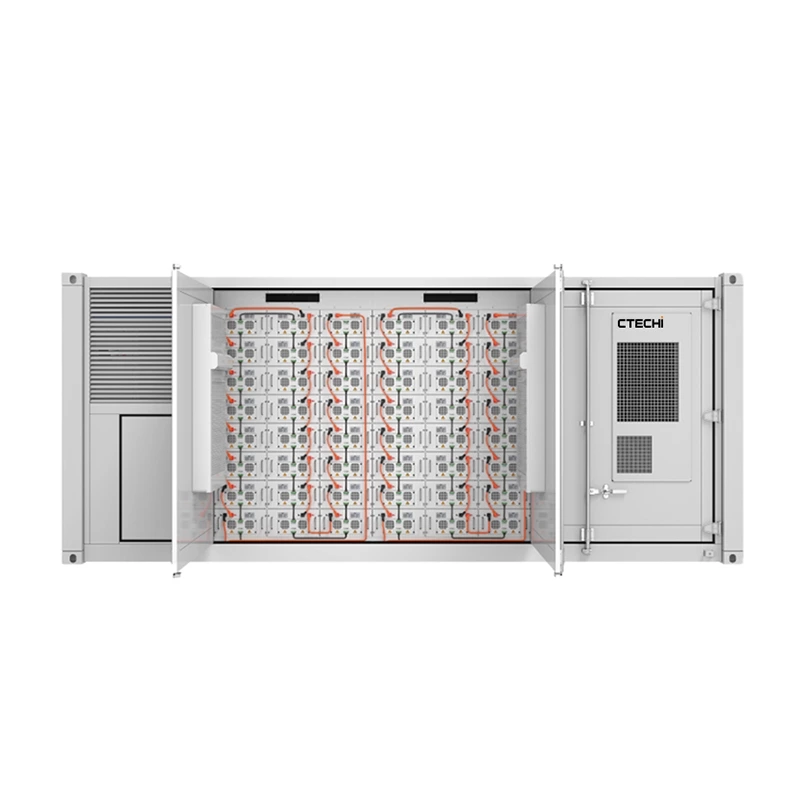
No two industrial facilities share the exact same load profile. CTECHi’s scalable architecture addresses this challenge directly by offering modular options that range from compact commercial configurations to multi-megawatt containerized systems. This modularity enables businesses to scale their energy capacity linearly as operations expand, ensuring capital expenditure is precisely matched to current needs without over-provisioning infrastructure.