Why Intelligent Thermal Management and Safety Define Modern C&I BESS
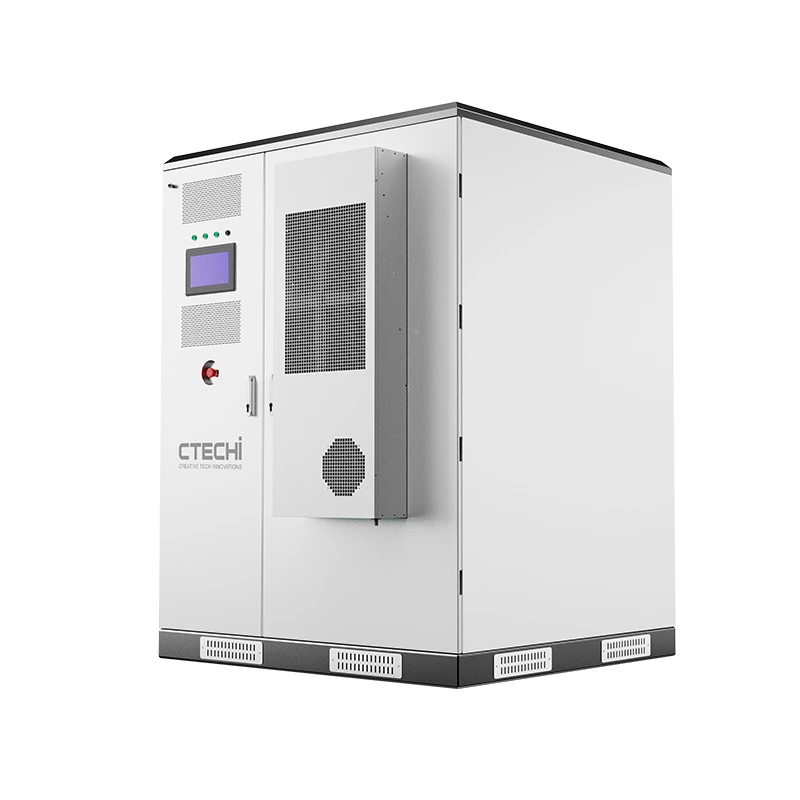
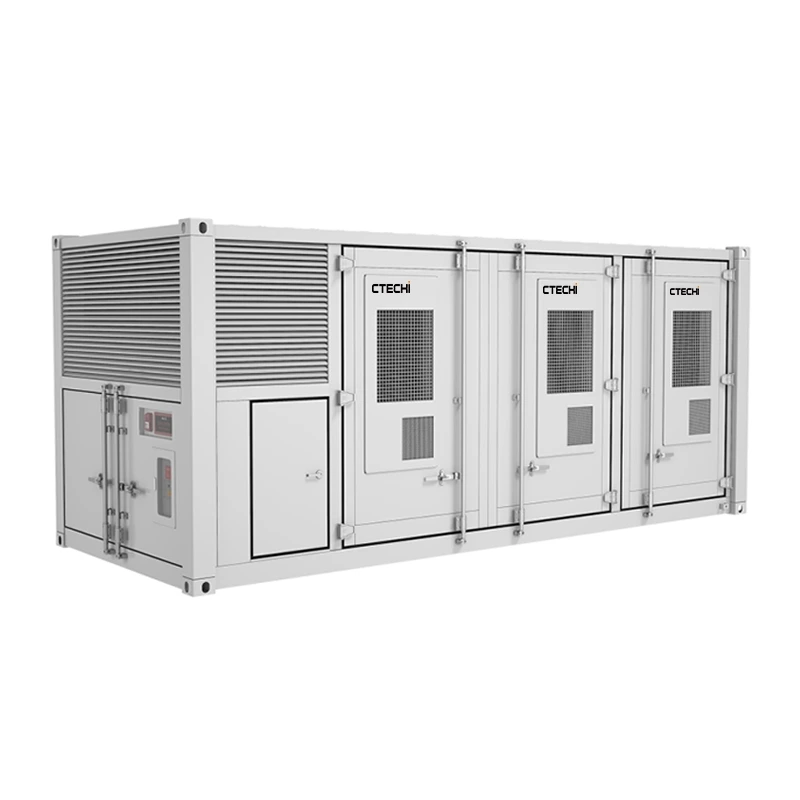
In the high-stakes environment of commercial enterprise, an unexpected power outage or grid fluctuation is not merely an inconvenience—it is a catastrophic threat to revenue, data integrity, and physical equipment. As grid instability increases globally, the definition of corporate risk management has evolved to include on-site power resilience. However, as energy storage systems (BESS) grow in capacity to support heavy industrial loads, safety and thermal reliability have justifiably taken center stage for engineering procurement teams.
Advanced Chemistry and Multi-Layered Safety Protocols
At the heart of dependable industrial energy storage lies uncompromising chemical stability. Modern C&I solutions leverage advanced Lithium Iron Phosphate (LiFePO4) chemistry, which inherently offers superior thermal stability and structural durability compared to alternative lithium formulations.
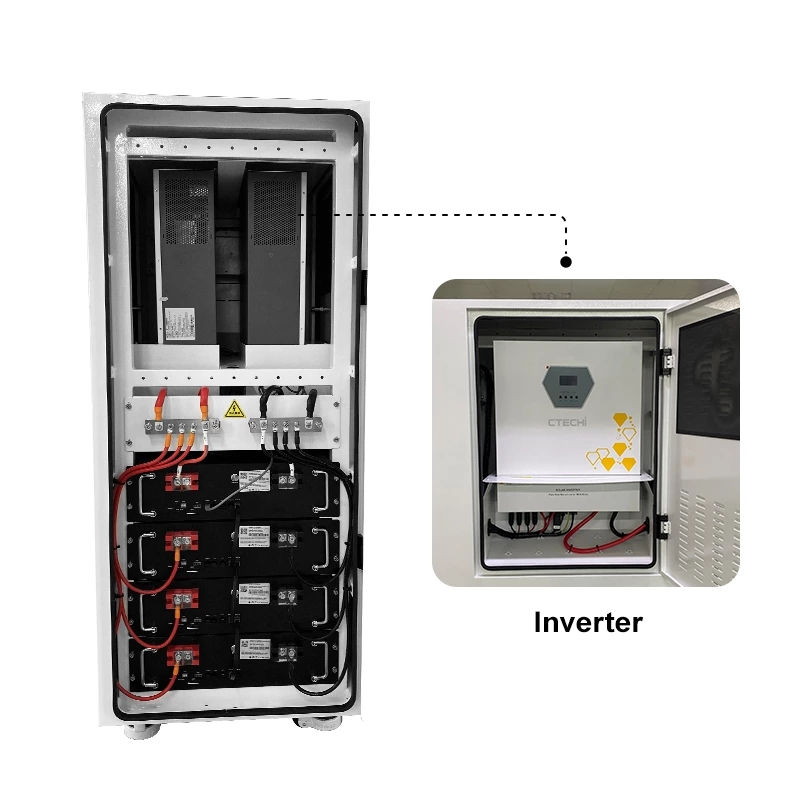
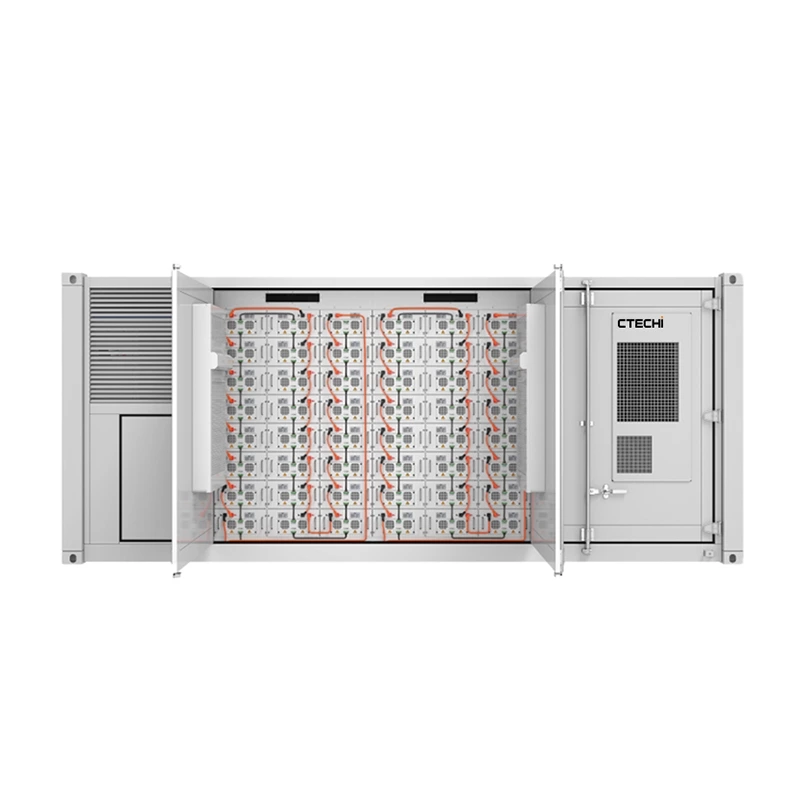
To complement this chemical baseline, high-performance systems incorporate multi-layered Battery Management Systems (BMS). These intelligent software suites perform real-time, cell-level diagnostics, tracking parameters such as voltage discrepancies, current loads, and internal temperatures. If an anomaly is detected, the system can isolate individual racks within milliseconds, neutralizing potential risks before they escalate. Combined with integrated aerosol or gas-based fire suppression layouts, this creates a fail-safe environment suitable for sensitive deployment zones like data centers, cold-storage warehouses, and manufacturing plants.
Uninterrupted Business Continuity
Beyond emergency backup, the true hallmark of an advanced BESS is its sub-second transition capability. When the local grid stumbles or fails entirely, a commercial storage solution acts as an instant Uninterruptible Power Supply (UPS), maintaining power flow to critical servers, automated assembly lines, and safety lighting without a single dropped cycle.
Manufacturer support and full lifecycle engineering—from initial design and thermal configuration to remote 24/7 monitoring—ensure that these systems operate as "set-and-forget" assets. For industrial operators looking to safeguard their infrastructure against an unpredictable energy future, investing in a robust, intelligently managed BESS is the ultimate insurance policy.