The New Economic Playbook for Commercial Energy Storage Systems
For commercial enterprises, manufacturing plants, and logistics hubs, utility bills have historically been treated as a fixed cost of doing business—an unpredictable line item that corporate managers must simply absorb. However, as global grid tariffs continue to shift toward punitive peak-hour pricing models, forward-thinking organizations are changing their approach. They are no longer looking at energy as a passive expense, but rather as an operational variable that can be actively optimized through industrial and commercial energy storage systems.
The Power of Peak Shaving and Arbitrage
The primary financial driver for adopting a commercial BESS lies in peak shaving. Utilities routinely penalize industrial facilities based on their highest 15-minute power draw intervals, often resulting in demand charges that account for nearly half of a monthly bill. By deploying an intelligent BESS, a facility can automatically discharge stored energy during these critical windows, completely flattening the load curve and shielding the business from aggressive penalty tiers.
Compounding these savings is energy arbitrage. By charging the battery system during off-peak hours—when electricity rates are at their lowest—and discharging it during daytime business hours, companies capitalize on time-of-use differentials. For facilities integrated with on-site solar arrays, a high-capacity storage solution elevates renewable self-consumption from a modest 30% to upwards of 80%, ensuring that clean energy generated at noon is not exported for pennies, but saved to power operations well after sunset.
Modular Scalability for Growing Enterprises
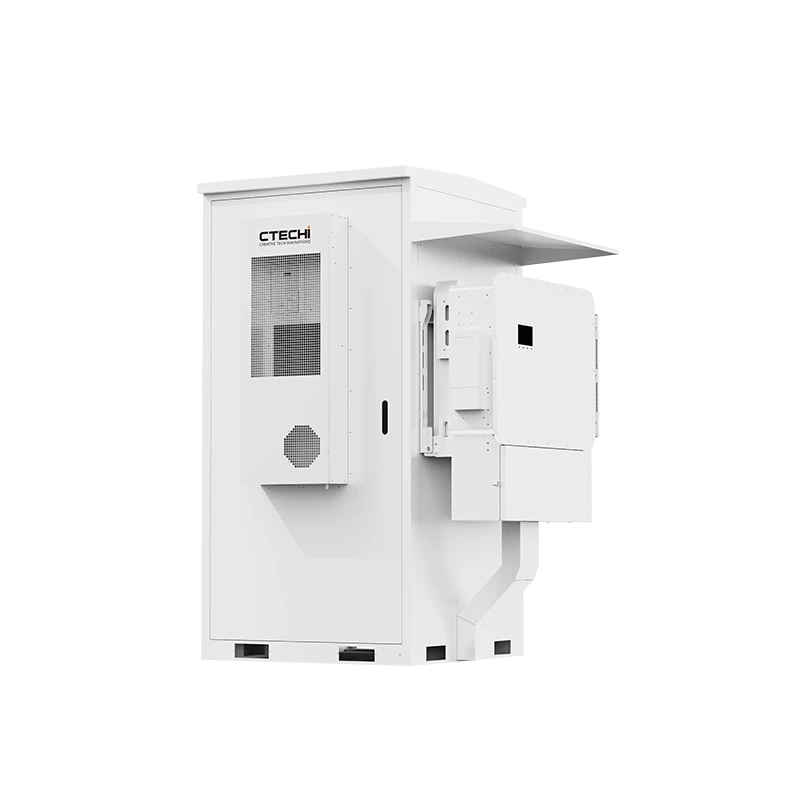
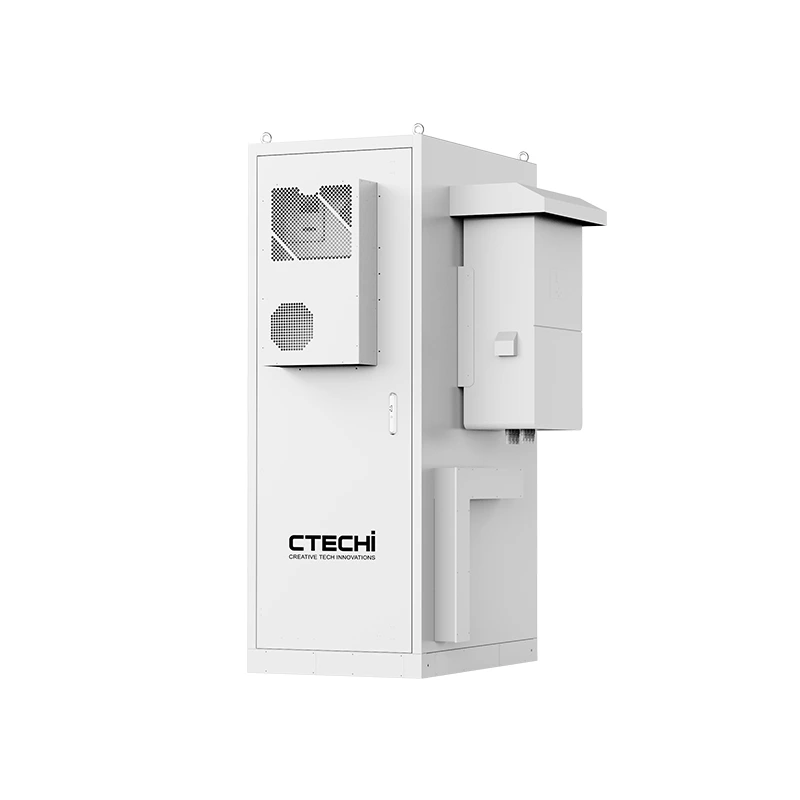
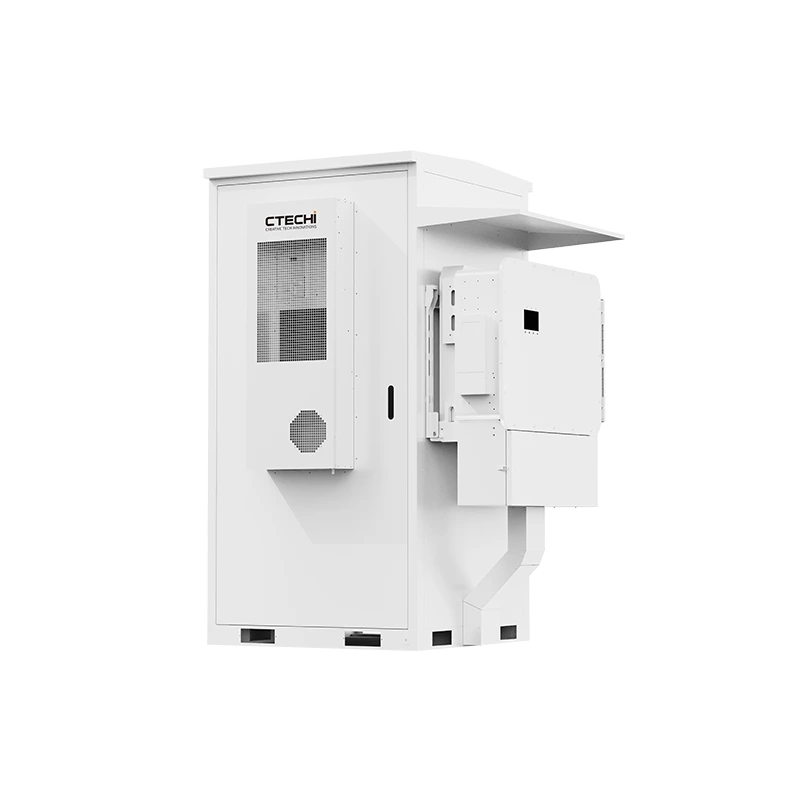
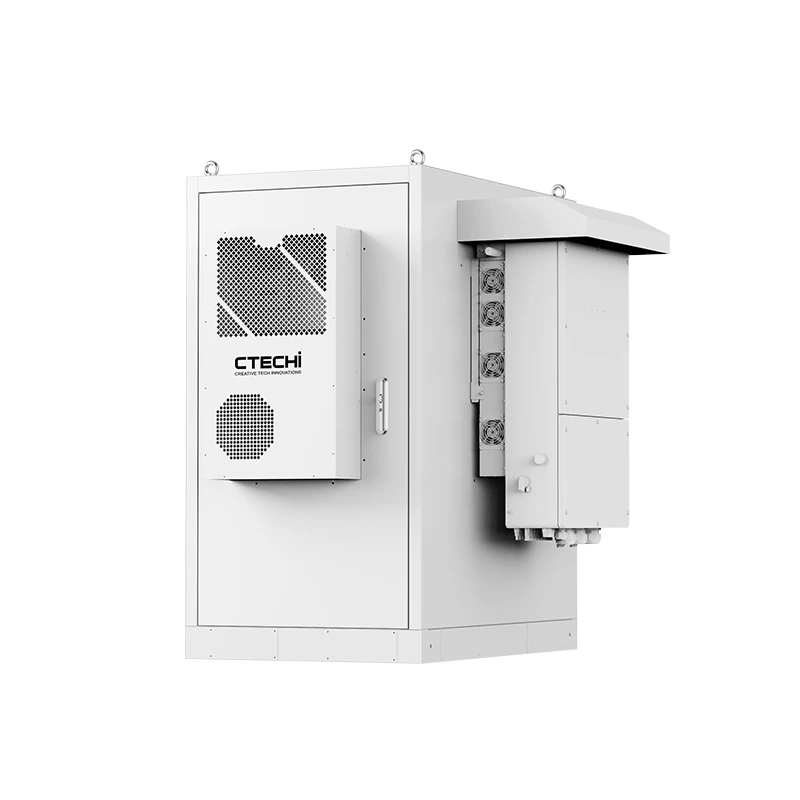
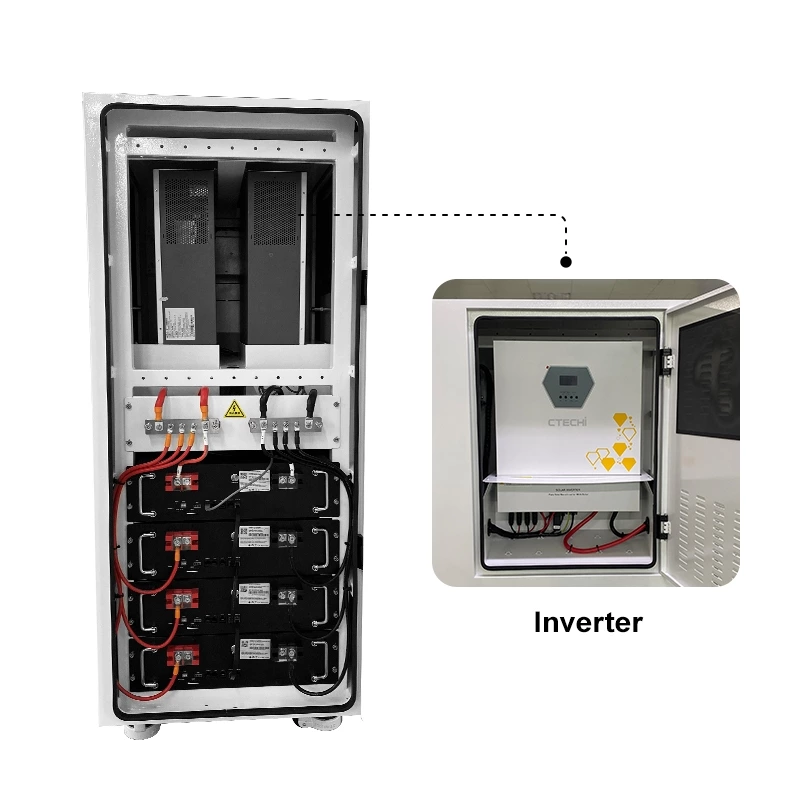
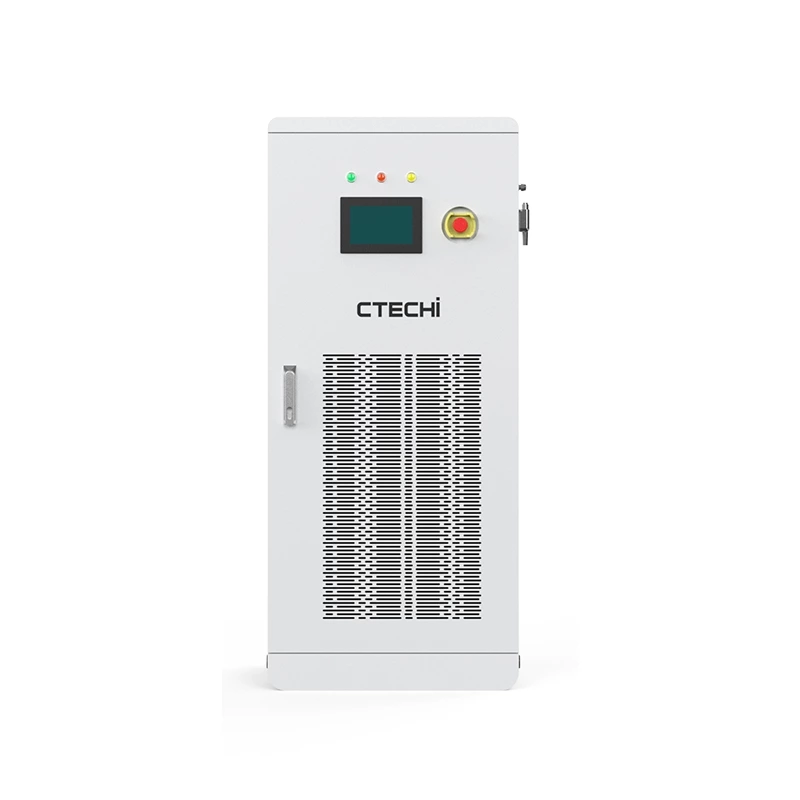
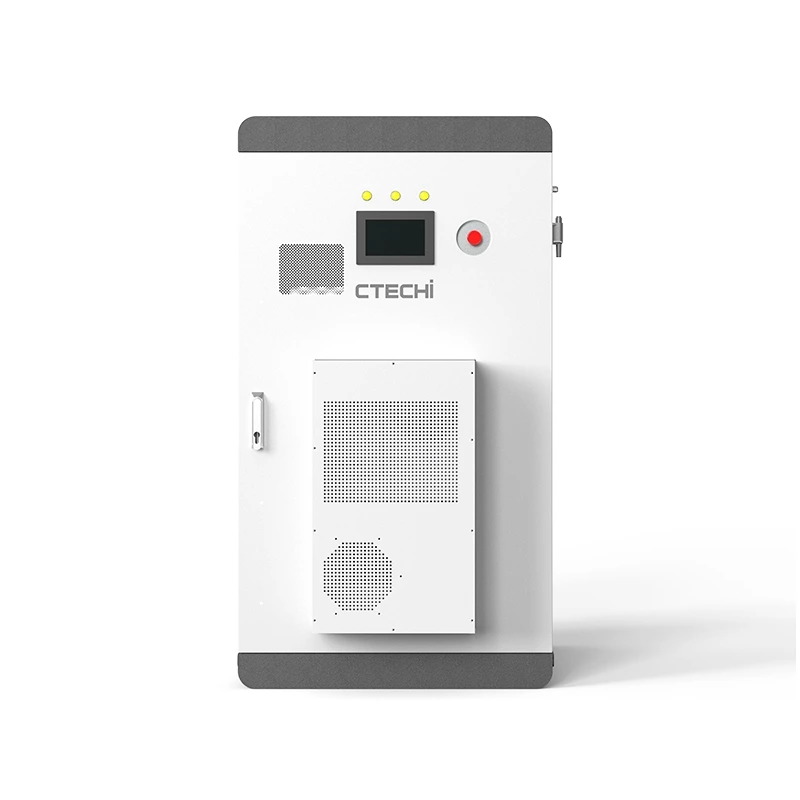
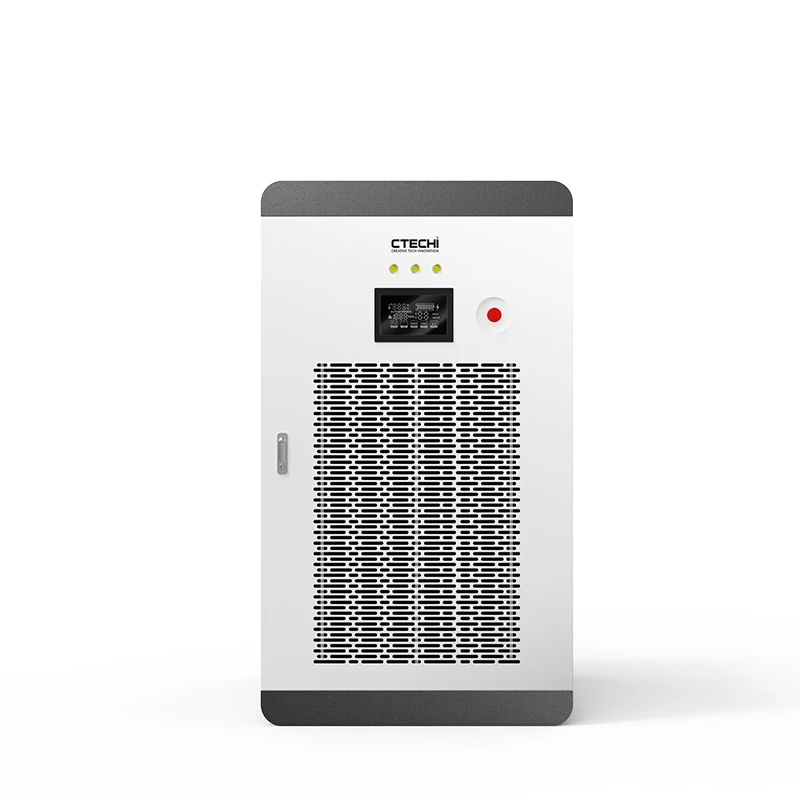
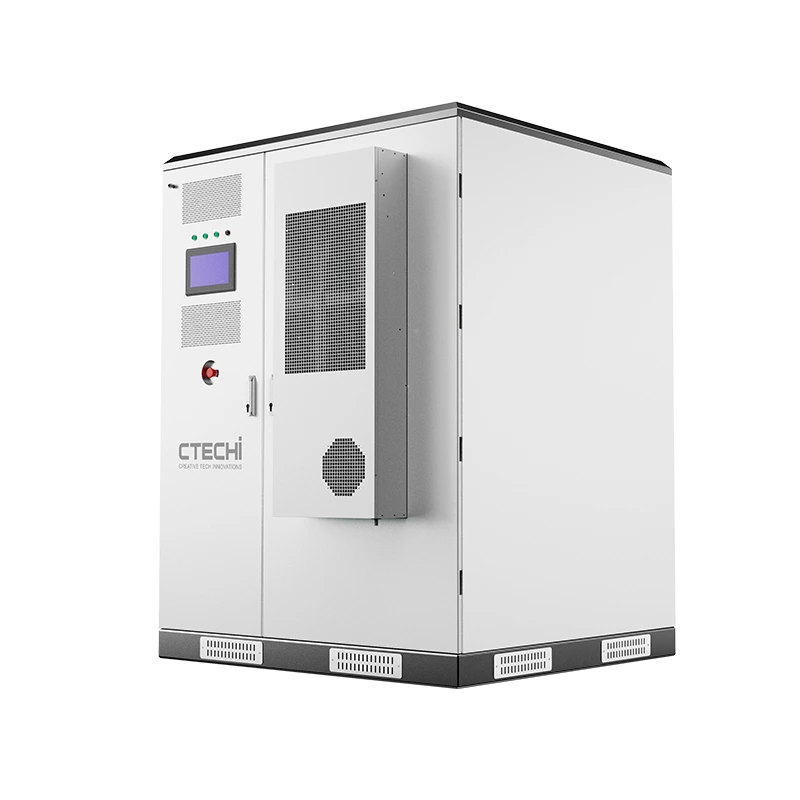
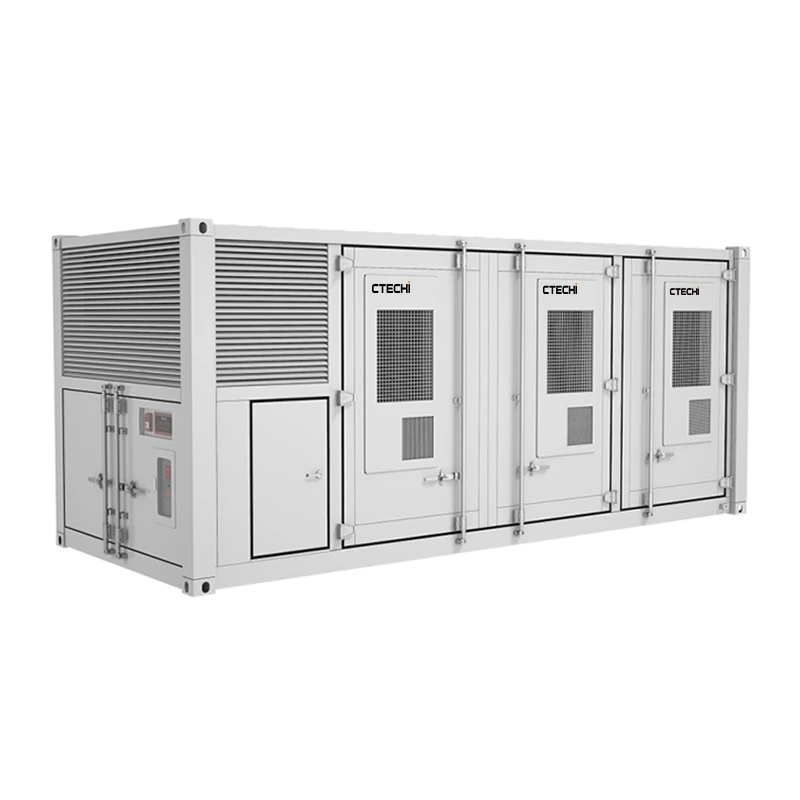
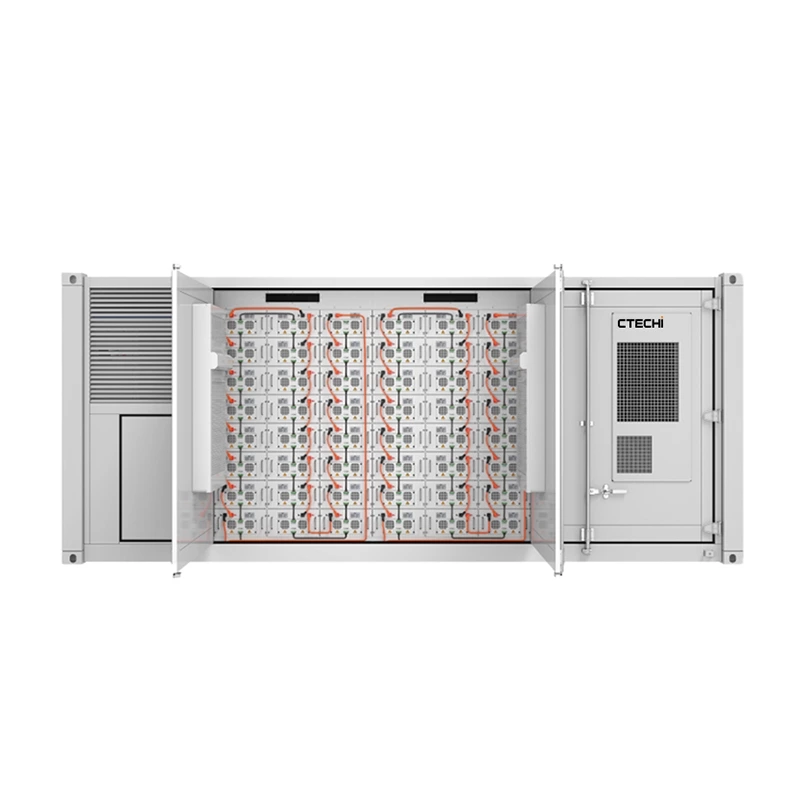
Every business has a unique energy fingerprint. Recognizing that rigid, one-size-fits-all hardware rarely succeeds in industrial applications, CTECHi’s scalable BESS architecture allows businesses to start with localized setups—such as compact 30kW units—and scale modularly up to multi-megawatt containerized systems. This linear scalability ensures that capital expenditure is precisely aligned with current operational demands, providing a future-proof foundation for long-term corporate growth.